The Sonnet
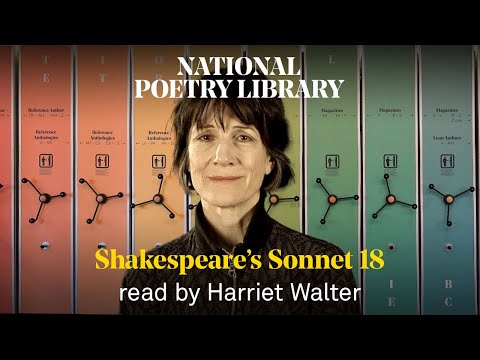
SonettoThe crown jewel of European lyric poetry. A sonnet develops a single concentrated feeling, argument, or paradox across 14 lines of strict ten-syllable iambic pentameter before resolving in a climactic couplet or sestet.
Изучайте вечные структуры мировой поэзии: от выверенной слоговой гармонии японских хокку и персидских газелей до сонетов эпохи Возрождения и свободного стиха. Постигайте архитектуру поэзии и создавайте собственные ветви.
The crown jewel of European lyric poetry. A sonnet develops a single concentrated feeling, argument, or paradox across 14 lines of strict ten-syllable iambic pentameter before resolving in a climactic couplet or sestet.
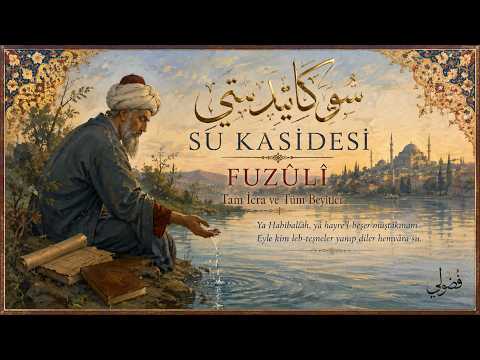
An ancient Arabic and Persian form devoted to longing, spiritual transcendence, and heartbreak. Each two-line stanza (<em>sher</em>) is a completely self-contained poem, unified by a shared meter, monorhyme (<em>qafia</em>), and an exact repeating refrain (<em>radif</em>).
The art of intense distillation. A haiku captures a single transient flash of reality in exactly 17 syllables across three lines (5-7-5). Its sibling, the <strong>Tanka</strong>, adds two final 7-syllable lines (5-7-5-7-7) to provide emotional resolution.
A hypnotic, cyclical structure originally rooted in French pastoral dance songs. Across 19 lines, two full lines repeat cyclically as refrains, spiraling inward until they join together in a devastating final quatrain.
The four-line epigram of Eastern philosophy and Anatolian folk verse. Lines 1, 2, and 4 rhyme together, while Line 3 intentionally breaks away to build tension before line 4 delivers the philosophical or emotional punchline.
Poetry freed from predetermined meters and end-rhymes. Rather than chaos, free verse relies on the music of natural breath, syntactical cadence, unexpected line breaks (<em>enjambment</em>), and organic internal echoes.
The storytelling engine of folk tradition. Built on quatrains that alternate 4-beat lines (iambic tetrameter) with 3-beat lines (iambic trimeter), ballads propel tales of love, betrayal, ghosts, and legendary sea voyages.
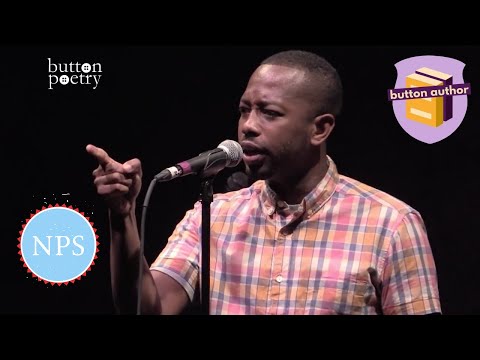
Poetry composed for the ear and the microphone rather than the silent page. Spoken word blends hip-hop cadence, storytelling, polyrhythmic meter, and passionate social honesty to hold a mirror up to community truths.
The champion of satirical and light-hearted verse. A strict five-line form where Lines 1, 2, and 5 have three bouncing beats, and Lines 3 and 4 have two short beats, culminating in an unexpected, witty twist.
A formal lyric of dignity, celebration, and contemplation. An ode addresses a person, an object in nature, or an abstract concept (like nightingales, urns, or onions) to reveal universal wonder hiding in plain sight.